


What Granbury Homeowners Need to Know (Including 2025 HVAC Changes)
If you’re a new homeowner in Granbury, TX, congratulations! Owning a home is exciting—but it also comes with responsibility. One of the smartest ways to protect your budget from unexpected repair costs is with a home warranty. With new industry changes that began in 2025 affecting air conditioning systems, understanding how a home warranty works is more important than ever.
Let’s walk through what a home warranty is, how it works, what it costs, and how the upcoming refrigerant changes may affect you.
What Is a Home Warranty?
A home warranty is a service contract that helps cover the repair or replacement of major home systems and appliances that break down due to normal wear and tear. This is different from homeowners insurance because insurance covers sudden damage from events like fire, hail, or theft, while a home warranty covers the mechanical things in your home that simply wear out over time—like your air conditioner, water heater, dishwasher, or electrical system.
Think of it as a financial safety net for the parts of your home you rely on every day.
What Does a Home Warranty Typically Cover?
Most plans cover:
Major Systems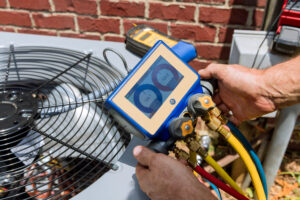
Air conditioning and heating (HVAC)
Electrical systems
Plumbing systems
Water heaters
Ductwork
Appliances
Refrigerator
Oven/range
Dishwasher
Garbage disposal
Washer and dryer (often optional)
In Granbury, where summer heat puts heavy demand on HVAC systems, this coverage can be especially valuable.
How Much Does a Home Warranty Cost?
Most annual home warranty plans range from $400 to $855, and can go up to $1,000 per year if you add additional coverage options (such as pools, septic systems, or upgraded appliance coverage). In addition, there is usually a service fee (often $75–$125) each time a technician comes to your home.
When you compare that to the cost of replacing an HVAC system—which can easily run several thousand dollars—a warranty can provide meaningful financial protection.
Important 2025 HVAC Update: A2L Refrigerants
There was a major industry change that began January 1, 2025.
What’s Changed?
The current refrigerant used in many air conditioning systems, called R-410A, is being phased out. It is being replaced by a new class of refrigerants known as A2L refrigerants, including R-454B and R-32.
These new refrigerants:
Are more environmentally friendly
Have lower global warming potential (GWP)
Are more energy efficient
Are mildly flammable (unlike R-410A), which requires updated safety standards and equipment design
What Does This Mean for Homeowners?
If your current R-410A system is working properly, you do not need to replace it.
Parts for repairs will continue to be available.
R-410A systems will still be sold while supplies last, but they will no longer be manufactured after January 1, 2025.
R-410A equipment and A2L equipment cannot be mixed.
How This Affects Your Home Warranty
If your HVAC system fails and:
It can be repaired → your warranty will cover the repair according to your contract.
It cannot be repaired, or R-410A equipment is no longer available → the warranty company may replace it with a new A2L-compliant system, following current SEER efficiency and safety standards.
It’s important to understand that a full system replacement is not automatically implied. Coverage depends on the terms, limits, and conditions of your specific contract.
What Systems types are Covered — and Which are Not?
Most warranties cover:
Central electric split and package units
Heat pumps
Mini-split ductless systems
Built-in wall units
Evaporative coolers
There are typically exclusions, such as:
Solar or geothermal systems
Window units
Improperly sized or mismatched systems
Secondary drain pans
Smart thermostats (unless upgraded)
General maintenance or cleaning
Certain modifications required by new building codes
There are also coverage limits, such as capacity limits (often up to 5 tons) and dollar caps for specialty systems.
Comparing Home Warranty Plans: What Really Matters
When comparing plans, most homeowners focus on price and what’s covered. Those are important—but here’s the key:
Limits Are the Most Important Factor.
Every warranty has coverage limits, meaning:
Maximum payout per repair
Maximum payout per system
Aggregate caps per contract term
Two plans might both say they cover HVAC systems—but one may cap coverage at $1,500 while another may provide significantly higher limits.
When comparing plans, always review:
Coverage options (what’s included and what’s optional)
Coverage limits (how much they’ll actually pay)
Service fee amounts
Exclusions and special conditions
A lower annual premium does not always mean better protection.
Why a Home Warranty Makes Sense in Granbury
Granbury homeowners face:
Long, hot summers that stress air conditioning systems
Occasional winter freezes that strain plumbing and heating
A mix of newer builds and older homes near the lake
All of these factors increase the likelihood of system wear and unexpected repairs.
A home warranty offers:
Budget predictability
Reduced surprise repair costs
Access to coordinated service technicians
Peace of mind
Final Thoughts
Homeownership comes with unexpected expenses. A home warranty helps manage that risk by covering repairs and replacements due to normal wear and tear. With these refrigerant changes in 2025, it’s especially important to understand how HVAC systems are evolving and how warranty coverage adapts to those changes.
If you’re a homeowner in Granbury and wondering whether a home warranty makes sense for your property, reviewing your home’s age, system condition, and your comfort level with repair costs is a great place to start.
If you’d like help reviewing warranty options or understanding coverage limits before you purchase, we are always happy to walk through it with you. Give us a call at 682-498-8878.
Information provided with assistance from our friends at Fidelity National Home Warranty.